
Women's proctology
Women's proctology
In women, proctological problems are closely linked to pregnancy, childbirth and hormonal changes. These complaints are often hidden for years out of embarrassment and the thought that “it will pass.” Dr. Dilara Hasanova is a female surgeon-proctologist. At Modern Hospital's Women's Proctology Center, female patients are examined and treated by female doctors, in complete confidentiality.
- Center
- Modern Hospital's Women's Proctology Center
- Specialist
- Op. Dr. Dilara Hasanova, female surgeon-proctologist
- Section
- Coloproctology
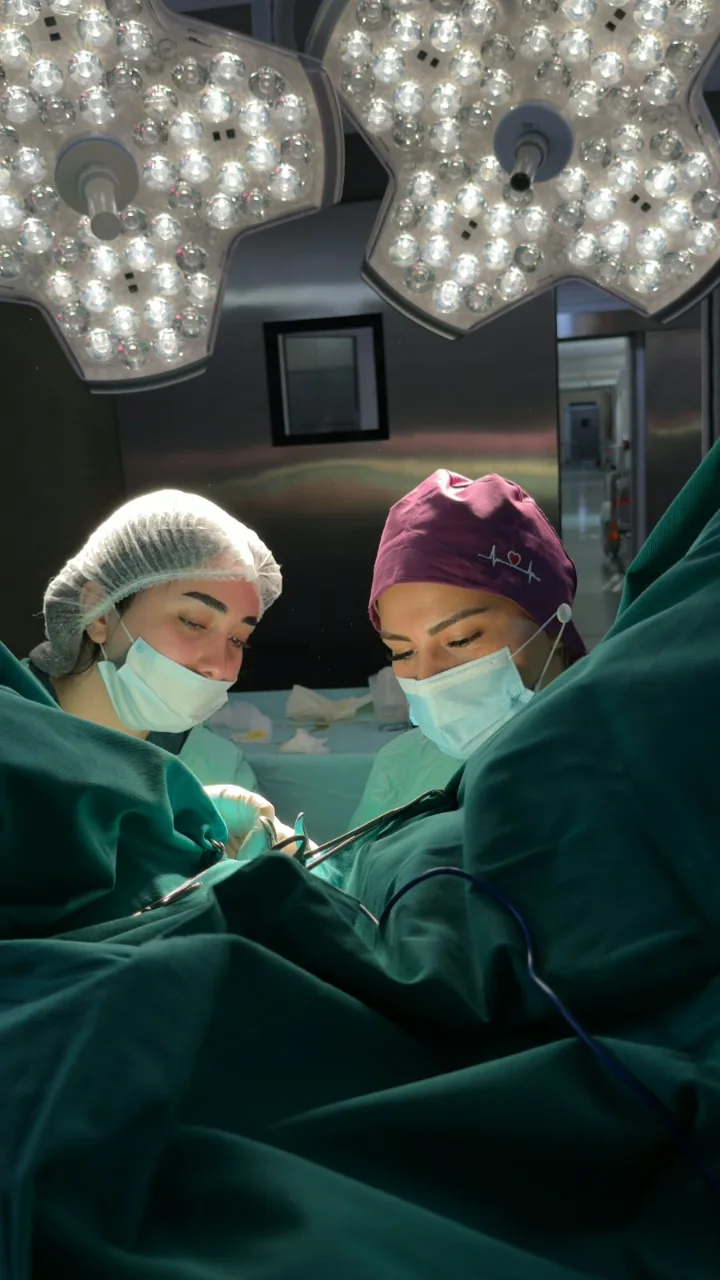
Modern Hospital's Women's Proctology Center
According to Modern Hospital's official information, the Women's Proctology Center operates within the Coloproctology Department and is made up of female doctors and medical staff. Operations for hemorrhoids, anal fissure, fistula and other proctological diseases common in women are performed by female surgeon-proctologists, and anesthesia is given by female anesthesiologists. When needed, the patient is examined by a gastroenterologist, gynecologist, dermatologist and other specialists, and treatment is planned in a multidisciplinary way.
The most common complaints in women
- Hemorrhoids (piles). The increased intra-abdominal pressure of pregnancy and straining during childbirth aggravate hemorrhoid symptoms: bleeding, swelling, itching, a feeling of wetness. Read more: Hemorrhoids
- Anal fissure. Hard stool, constipation and childbirth trauma can cause an anal fissure. It shows up as sharp pain during bowel movements and a spot of blood. Read more: Anal fissure
- Constipation and difficulty with bowel movements. Pregnancy, childbirth and pelvic floor weakness make it harder to empty the bowel: a strong need to strain, a feeling of incomplete emptying, bloating. Read more: Constipation and defecation disorders
- Rectocele. When the pelvic floor muscles weaken, the rectum bulges toward the back wall of the vagina: difficulty with bowel movements, a feeling of fullness in the vagina, a feeling of incomplete emptying. Read more: Rectocele
Services and treatment approaches
- Hemorrhoids and anal complaints after childbirth: conservative treatment (diet, medications, topical treatment), non-surgical procedures in selected cases, surgical treatment at an advanced stage.
- Rectocele: a conservative approach (advice, pelvic floor exercises) and, when indicated, posterior colporrhaphy and levatorplasty. Read more: Posterior colporrhaphy and levatorplasty
- Pelvic floor weakness: pelvic floor (Kegel) exercises, diagnosis of defecation disorders, adjusting lifestyle and diet. There are also non-invasive methods to strengthen the pelvic floor muscles (for example, electromagnetic stimulation). Whether they are suitable is discussed with the doctor.
- Combined operations: if hemorrhoids, an anal polyp or an anal fissure are present together with a rectocele, they are treated in the same operating session when needed.
A note on the word “vaginoplasty.” The word “vaginoplasty” is sometimes also used for the posterior colporrhaphy and levatorplasty operation that corrects a rectocele. Here the aim is not an aesthetic change but to restore pelvic floor support and defecation function. On this site, this operation is called “rectocele surgery (posterior colporrhaphy and levatorplasty).”
Treatment during pregnancy and breastfeeding
Pregnancy and breastfeeding are not an obstacle to treatment. Dr. Hasanova's patients include pregnant and breastfeeding women. During this period, medications that are safe for the mother and child are chosen, while planned operations are usually postponed until after childbirth. Read more: Pregnancy and after childbirth
When should you see a doctor?
- Pain or bleeding during bowel movements
- Constipation that continues after childbirth, a feeling of incomplete emptying
- Swelling, itching and discomfort around the anus
- A feeling of fullness in the vagina or a suspected prolapse
- Difficulty holding in gas or stool
- If the symptoms reduce the quality of daily life
These problems are not “normal,” and they are treated in modern medicine. Early diagnosis means simpler treatment and faster recovery. In Dr. Hasanova's words: “Shame does not heal, a doctor does!”
As both a surgeon and a woman, taking patients' physical and emotional needs into account is Dr. Hasanova's main principle.